Budova
Stavba Domu umělců vznikla díky iniciativě členů SVUM s představou novodobého sakrálního místa, chrámu národního umění, kde má příchozí prostřednictvím uměleckých děl povznášet svého ducha.
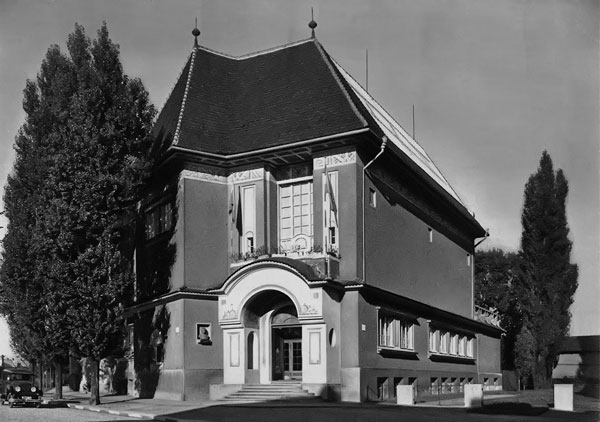
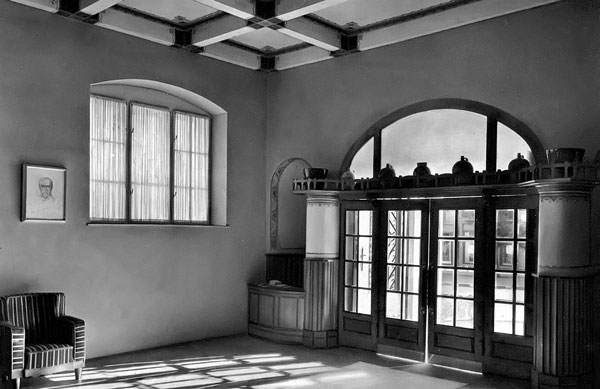
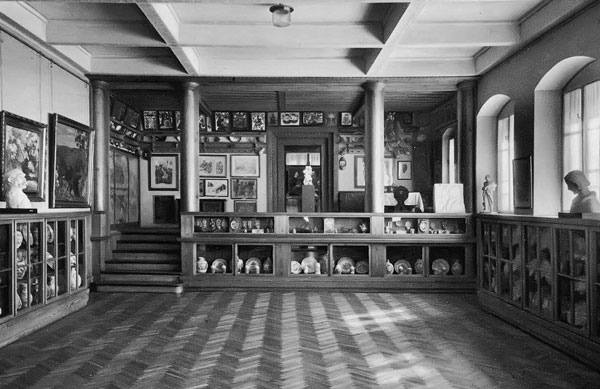
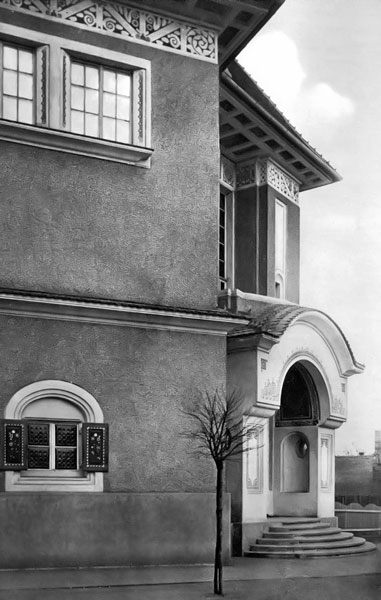
Budova postavená v letech 1910 - 1913 patří k vrcholným dílům Antonína Blažka (1874 - 1944) a k nejvýznamnějším architektonickým památkám ve městě. Architekt navrhl tuto budovu v duchu jejího poslání jako moderní spolkovou a výstavní prostoru. Rozmístěním okenních otvorů a horním osvětlením dosáhl optimálního světla ve výstavních sálech, vhodně kombinovaného s osvětlením umělým. Vyváženou funkční a dekorativní stránku podtrhl volbou materiálu i střídmou barevností a doplnil plastikami členů SVUM.
Při realizaci Blažek aktivně přistoupil k lidovému odkazu a usiloval o jeho originální přetvoření s velkým citem pro kolorit kraje a urbanistické začlenění stavby do okolí. Vzájemně propojil romanticky interpretované historizující a secesní prvky a obohatil je ornamentální nástěnnou malbou a především dvěma vstupními žudry.
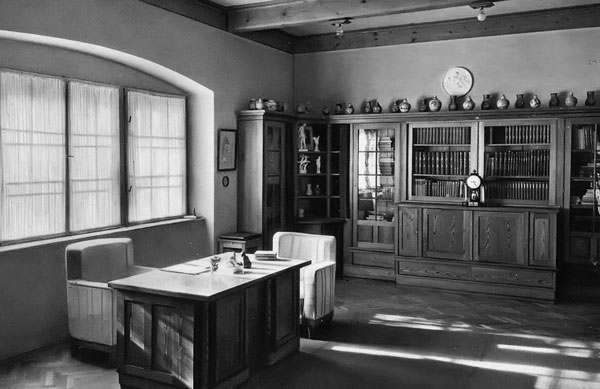
Celkový dojem umocnilo vybavení rustikálním nábytkem a dřevěným stropem v části interiéru, odvozeným z lidového prostředí, a malířská výzdoba Jano Köhlera (1873 - 1941). Blažek se těmito motivy snažil navazovat na to, co jako nesporný inovační přínos na přelomu století do středoevropské architektury vnesli Witkiewicz v Zakopaném a Jurkovič na Radhošti nebo v Luhačovicích. Stavba vypovídá o autorově cíli: sloučení romantizující siluety s folklorně inspirovaným detailem.
Podle původních představ měly mít v Domě umělců své místo vedle výstavních prostor i místnosti pro spolkovou činnost a uměleckořemeslné dílny v duchu snahy o Gesamtkunstwerk, tedy jednotu uměleckých druhů. Měl to být tedy skutečně chrám umění, zastřešující řadu uměleckých aktivit.
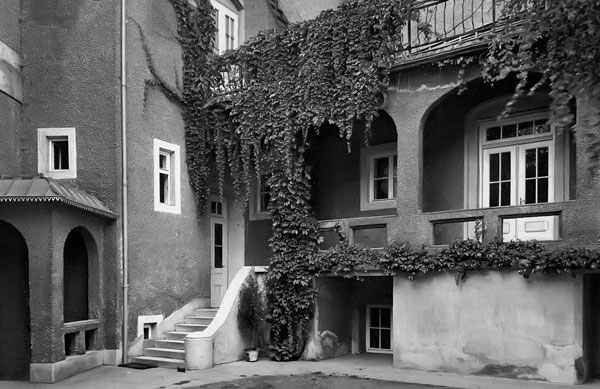
Pro rozšíření výstavní činnosti a celého provozu spolku navrhl Blažek v roce 1915 přístavbu v zadní části. V době první světové války byly provedeny dílčí úpravy pro dočasný lazaret. Další návrhy na přístavbu přízemí Domu umělců do dvora a prodloužení obou křídel budovy pocházejí z roku 1936 a byly v pozměněné formě provedeny v letech 1940 - 1941. Jejich autorem je opět Antonín Blažek. Dům umělců byl částečně zničen náletem v listopadu 1944, návrh a následnou opravu provedl po Blažkově smrti v roce 1944 v jeho duchu přítel a kolega ze SVUM Karel Madlmayr. Zrušením spolku SVUM v roce 1959 byl Dům umělců začleněn do sítě československých státních galerií. Současným zřizovatelem Galerie výtvarného umění v Hodoníně je Jihomoravský kraj se sídlem v Brně.